Join the Climate Adventure
From agricultural waste to climate solution

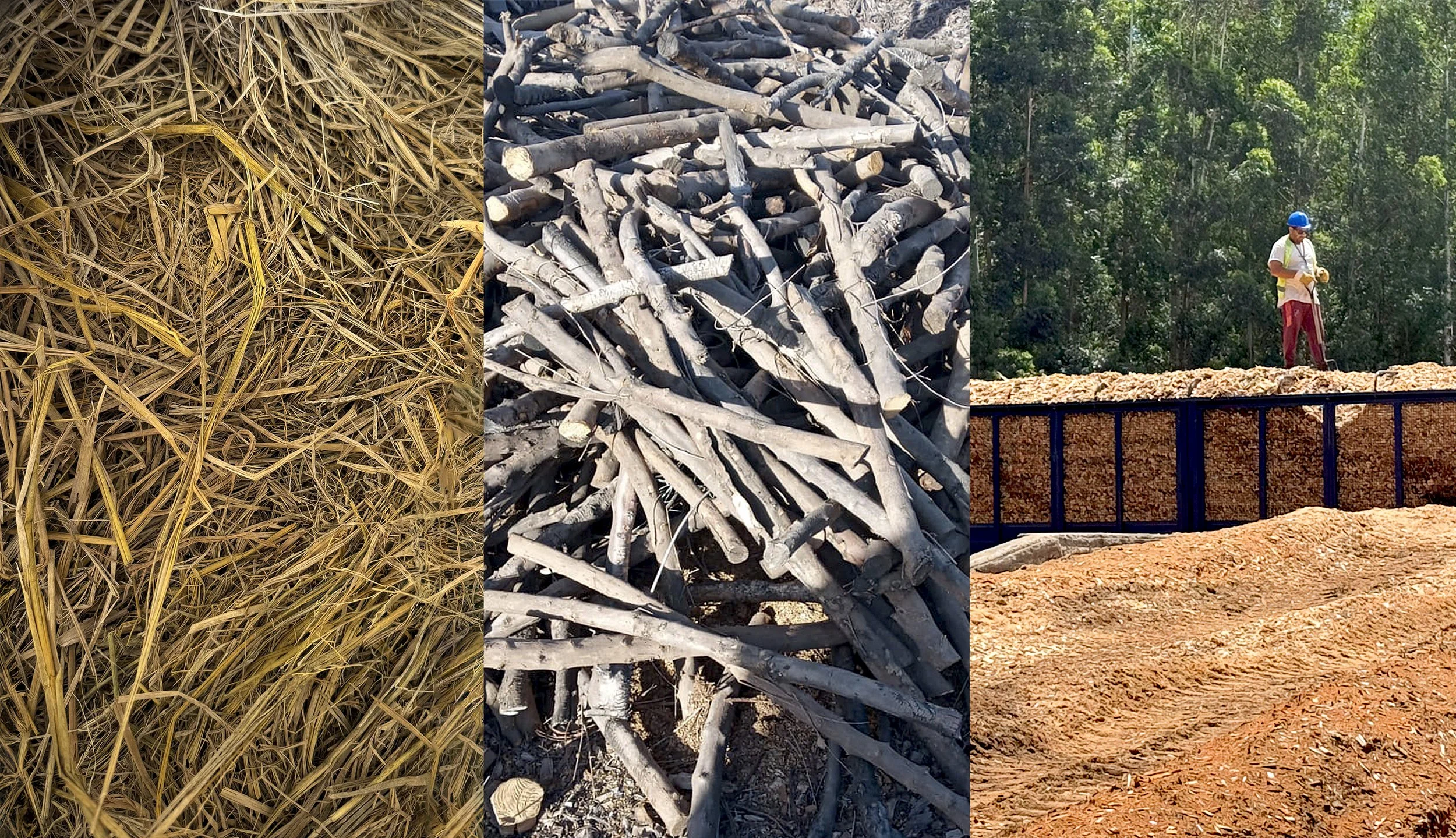
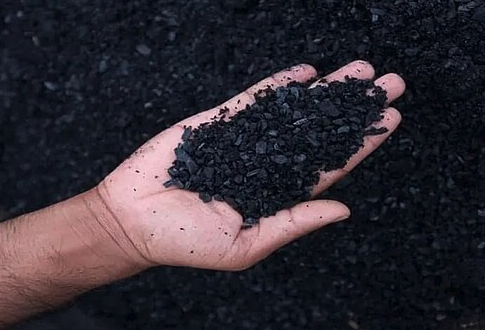
We transform agricultural residues into biochar — a material that locks away carbon for centuries while improving soil health and ecosystem resilience.
Turning agricultural residues into lasting climate solutions

Biochar in Action
This short field recording documents Tupana’s ongoing trials in biochar application. Filmed from above, it illustrates the practical steps of integrating biochar into agricultural land
From lab to field: building evidence step by step

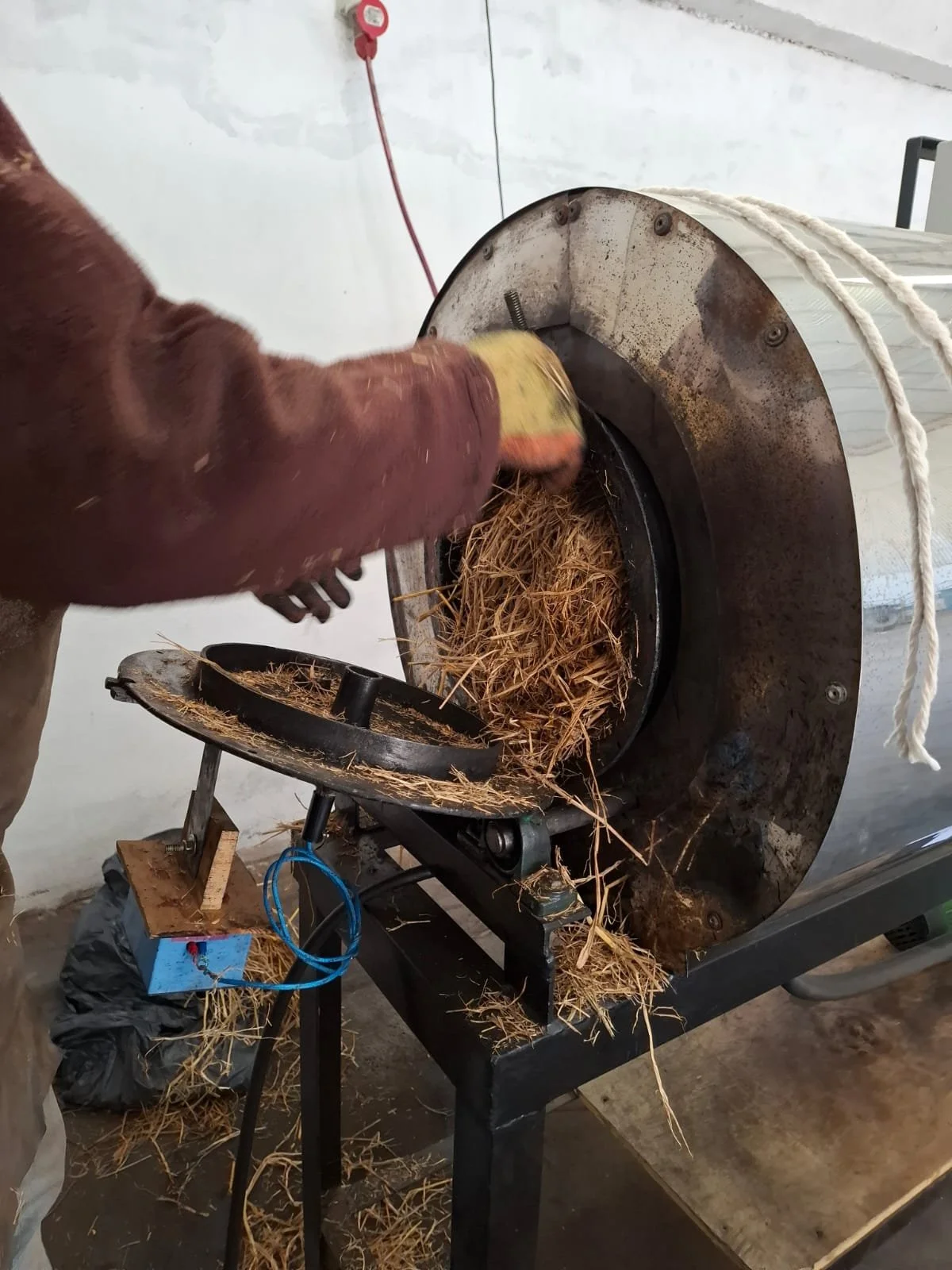

Tupana RGN is validating its solution through a structured program of laboratory and field experiments, ensuring both scientific rigor and real-world feasibility.
Biochar quality testing: We analyze carbon content, hydrogen-to-carbon ratios, and stability indicators to ensure long-term permanence, delivering secure carbon storage for over 100 years.
Pilot pyrolysis operations: Small-scale pyrolysis systems are actively generating critical data to support our Monitoring, Reporting, and Verification (MRV) framework.
Together, these efforts lay the foundation for a scalable, high-integrity carbon removal pathway—grounded in science, enabled by farmers, and built for lasting climate impact.
Core dMRV Components
Full-chain traceability from biomass sourcing to long-term soil monitoring.
Biomass Sourcing: Tracks the origin, volume, and type of feedstock to ensure sustainability, traceability, and additionality.
Pyrolysis Operations: Real-time data collection through integrated sensors, monitoring key quality parameters of biochar (e.g., H/C ratio, O/C ratio, fixed carbon, volatile matter).
Transport & Application: Geotagged logistics and precision tracking verify the delivery of biochar and its application in the field.
Soil Monitoring: Annual data collection on environmental conditions and soil temperature to validate carbon permanence.
Gas, Nutrient Flux & Crop Metrics: Tracks reductions in CH₄ and N₂O emissions, improvements in soil nutrient use efficiency, and crop yield impacts.